



ELSI & Outreach
Introduction
To support the responsible and sustainable implementation of SEAS² in society, this section examines its ethical, legal, and social implications (ELSI). The technology’s lifecycle is divided into three stages: manufacturing, distribution, and usage. Key questions at each stage are addressed in a Q&A format to make the discussion clear and accessible.
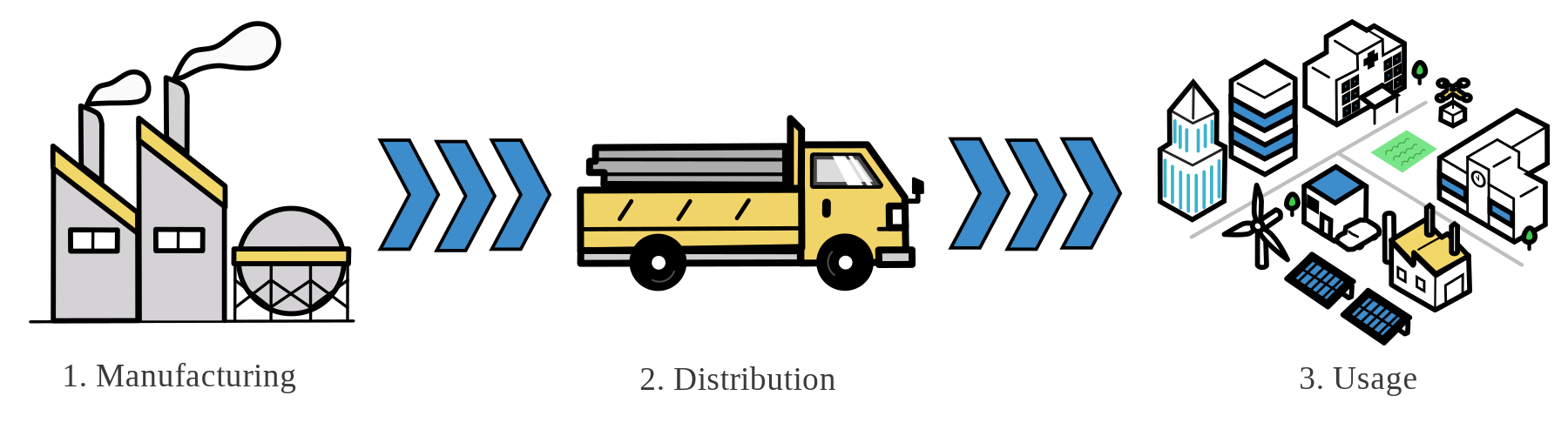
Manufacturing (including R&D phase)
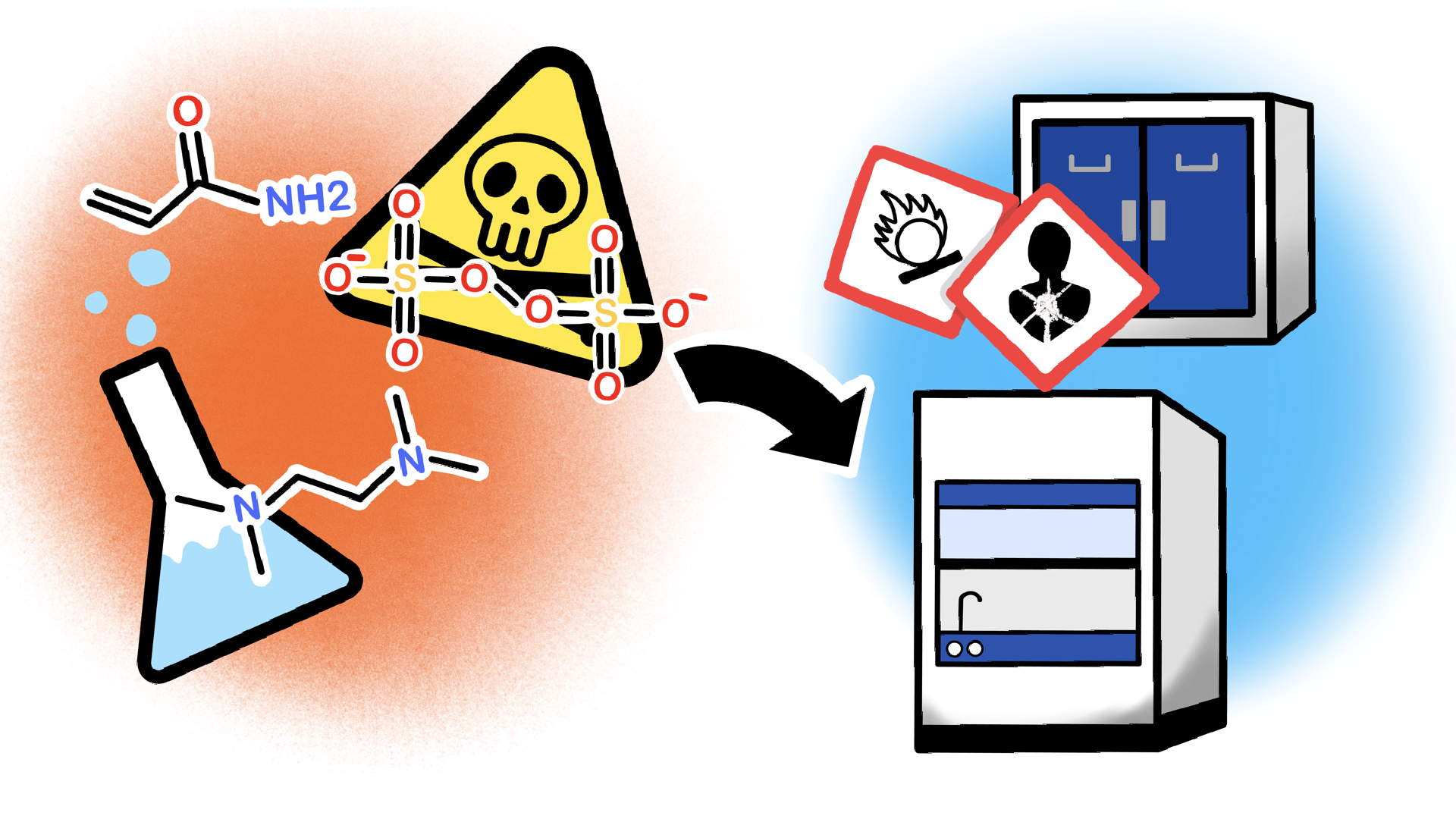
Acrylamide, N,N,N’,N’-tetramethylethylenediamine, and ammonium peroxydisulfate used in this study are hazardous chemical reagents, the acquisition of which is legally restricted in some countries. Acrylamide, used in this study, is designated as a deleterious substance and exhibits neurotoxicity, carcinogenicity, and mutagenicity. Therefore, it is stored securely in a locked cabinet labeled “Deleterious Substance Not for Medical Use” with strict inventory logs maintained, and is handled exclusively within a chemical fume hood. Additionally, TEMED is recognized under the UN-led Globally Harmonized System (GHS) as posing hazards of skin corrosion, inhalation toxicity, and flammability. Similarly, APS, which is flagged for hazards of fire intensification and skin sensitization, must be handled inside a fume hood to contain vapors and powder dispersion, while wearing protective equipment to prevent skin contact and inhalation. [1][2]
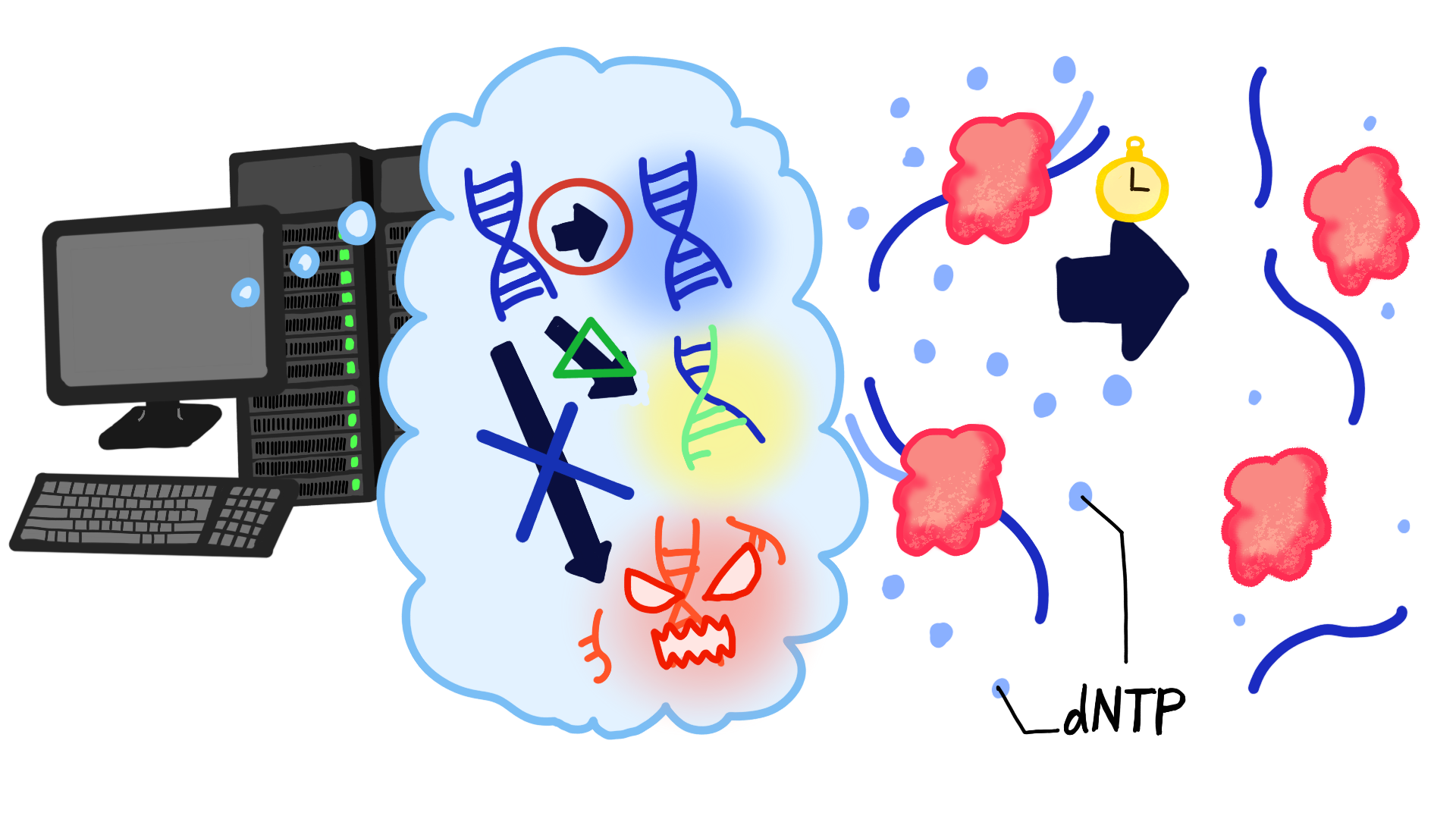
First, precise molecular design based on the base-sequence specificity of DNA chemically minimizes off-target interactions and unintended malfunction.
Furthermore, the PEN DNA toolbox utilized in this research operates as an open, non-equilibrium reaction network in which chemical reactions are sustained by the consumption of dNTPs. Because the reaction naturally terminates once the energy supply is exhausted, the duration of the system’s operation is intrinsically limited, thereby preventing it from sustaining an uncontrolled runaway state indefinitely. [3]
Distribution
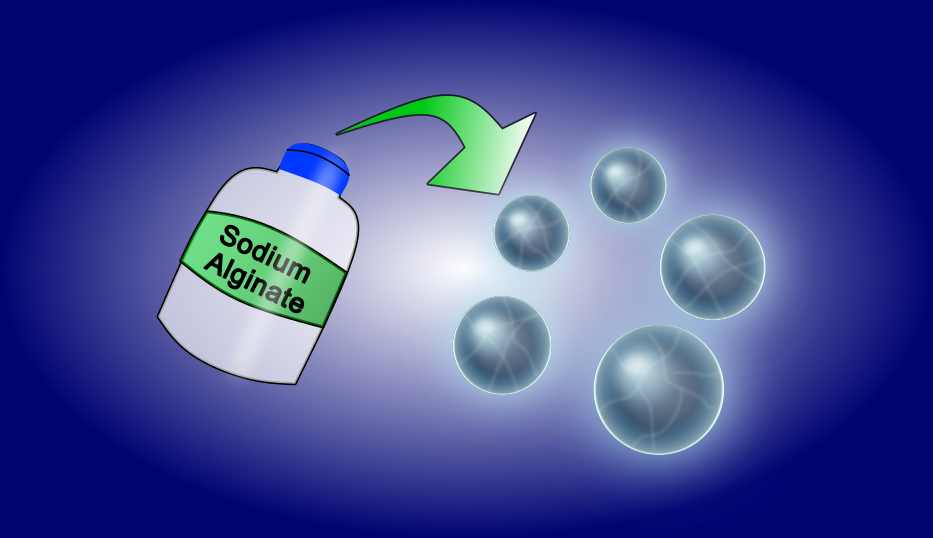
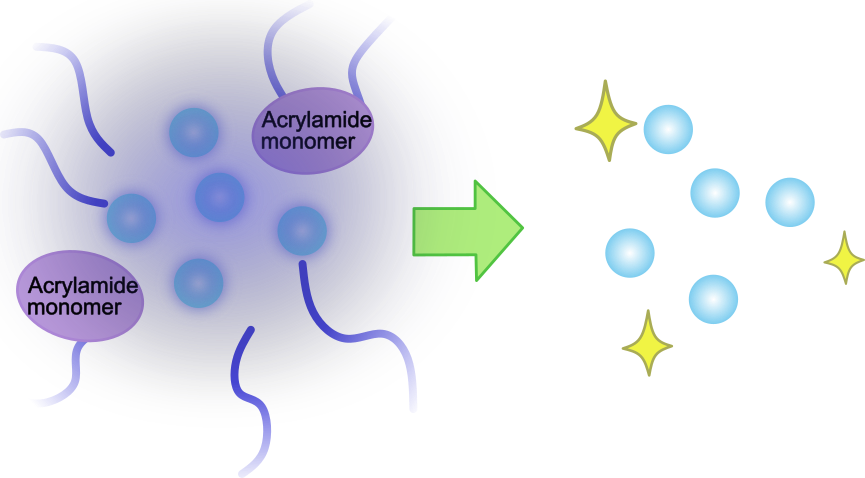
To prepare for potential environmental leakage in the future, we will adopt a dual approach. First, highly biodegradable sodium alginate is incorporated into the gel material [4]. Second, the PEN DNA toolbox is designed so that internal exonucleases autonomously cleave and degrade the cross-linking DNA. This strategy promotes rapid self-destruction and degradation in the environment, thereby enhancing social and legal safety.
While micro-gel particles lacking active driving components do not exhibit autonomous mobility, environmental risk must still be evaluated considering factors such as exposure routes and potential residual unreacted monomers. Polyacrylamide gel itself is chemically stable, but unreacted acrylamide monomer possesses toxicity [5]. Therefore, we propose minimizing residual monomer content through optimized polymerization and thorough washing steps to reduce the environmental risk associated with accidental release to an acceptable level.
Currently, in the field of synthetic biology, open licensing frameworks such as OpenMTA and the BioBrick Public Agreement promote the free sharing of foundational design principles. On the other hand, securing patent protection for core technologies is essential when anticipating future industrial applications and commercialization. Moving forward, a two-tiered licensing model is suitable: leaving foundational technologies open to foster widespread adoption, while protecting application-specific technologies via patents. [6]

Usage
Social concerns can be addressed by maintaining high transparency, safety, and accountability. Specifically, we clarify that this system is not a biological organism capable of self-replication or evolution, but a controlled chemical reaction driven by pre-designed circuits and specific enzymes. Additionally, establishing a monitoring framework for transparent reporting and issue evaluation helps build social trust. [7]
References
- [1] Friedman, M. Chemistry, Biochemistry, and Safety of Acrylamide. A Review. J. Agric. Food Chem. 2003, 51 (16), 4504–4526. https://doi.org/10.1021/jf030204+
- [2] The Chemical Society of Japan. Safety Guidelines for Chemical Experiments, 4th ed.; Mauzen: Tōkyō, 1999.
- [3] Genot, A. J.; Baccouche, A.; Sieskind, R.; Aubert-Kato, N.; Bredeche, N.; Bartolo, J. F.; Taly, V.; Fujii, T.; Rondelez, Y. High-Resolution Mapping of Bifurcations in Nonlinear Biochemical Circuits. Nat. Chem. 2016, 8 (8), 760–767. https://doi.org/10.1038/nchem.2544
- [4] Lee, K. Y.; Mooney, D. J. Alginate: Properties and Biomedical Applications. Prog. Polym. Sci. 2012, 37 (1), 106–126. https://doi.org/10.1016/j.progpolymsci.2011.06.003
- [5] Amended Final Report on the Safety Assessment of Polyacrylamide and Acrylamide Residues in Cosmetics1. Int. J. Toxicol. 2005, 24 (2_suppl), 21–50. https://doi.org/10.1080/10915810590953842
- [6] Rai, A.; Boyle, J. Synthetic Biology: Caught between Property Rights, the Public Domain, and the Commons. PLOS Biol. 2007, 5 (3), e58. https://doi.org/10.1371/journal.pbio.0050058
- [7] Marris, C. The Construction of Imaginaries of the Public as a Threat to Synthetic Biology. Sci. Cult. 2015, 24 (1), 83–98. https://doi.org/10.1080/09505431.2014.986320