



Feasibility
Feasibility Overview
To improve project feasibility within the limited BIOMOD timeframe, we adopted three complementary strategies: reducing experimental risk, securing external computational resources, and implementing rapid prototyping.
Experimental Risk Management
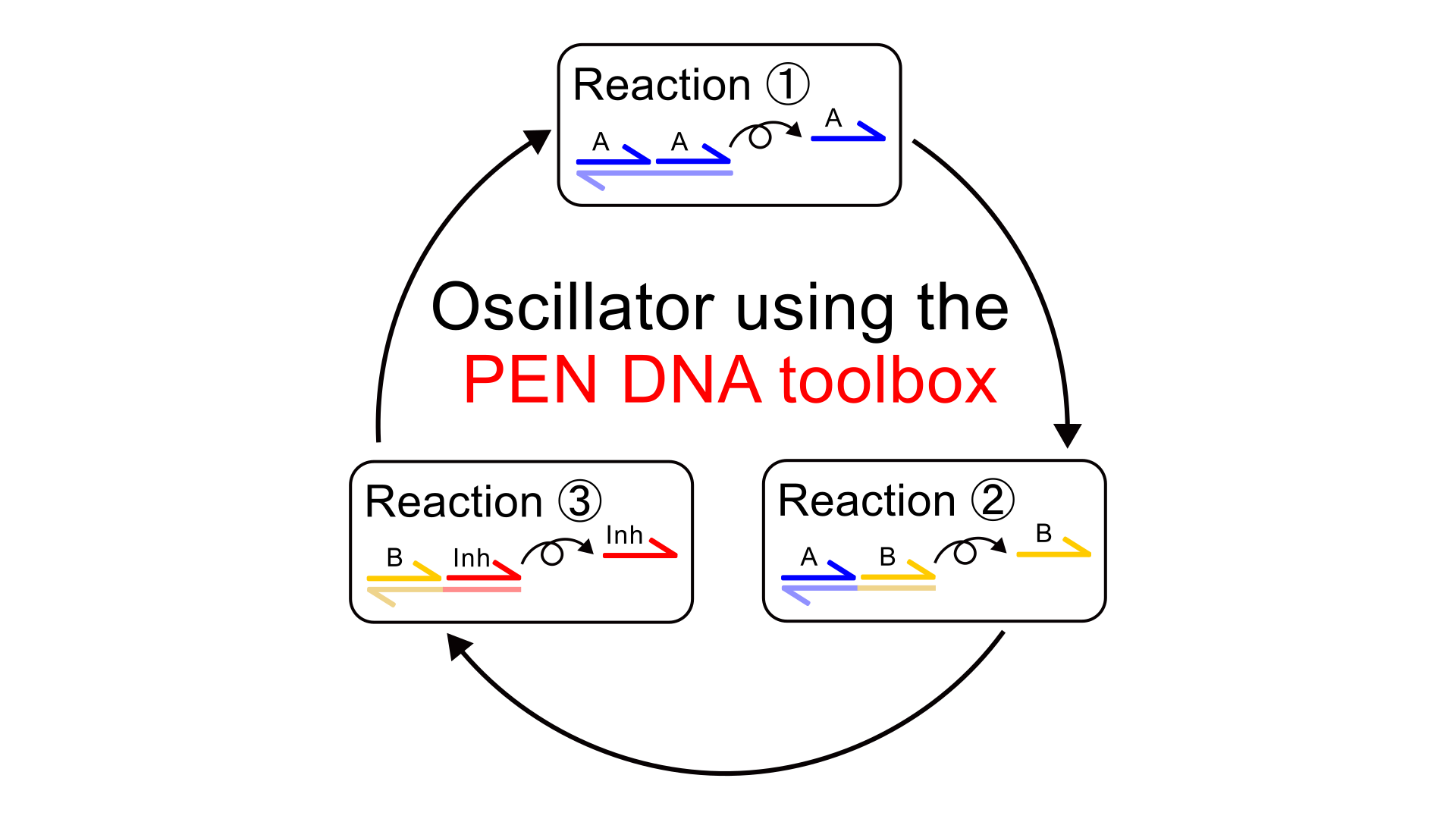
Our long-term goal is to achieve autonomous hydrogel actuation by coupling the hydrogel with the oscillatory reaction of the PEN DNA toolbox. As a first step, we focused on combining the hydrogel with a DNA strand reaction system based on the PEN DNA toolbox. The reaction network was adapted from a previously reported system [1], avoiding the need to develop a new reaction network.
External Computing Resources
We planned to conduct molecular dynamics (MD), quantum mechanics / molecular mechanics (QM/MM), and computational fluid dynamics (CFD) simulations. However, these simulations exceeded the computational capabilities of our local resources, making it difficult to carry them out locally. Therefore, we secured access to a student-accessible supercomputing program that provides computational resources at no cost. This access was intended to support the required simulations while avoiding additional computing expenses.
Rapid Prototyping
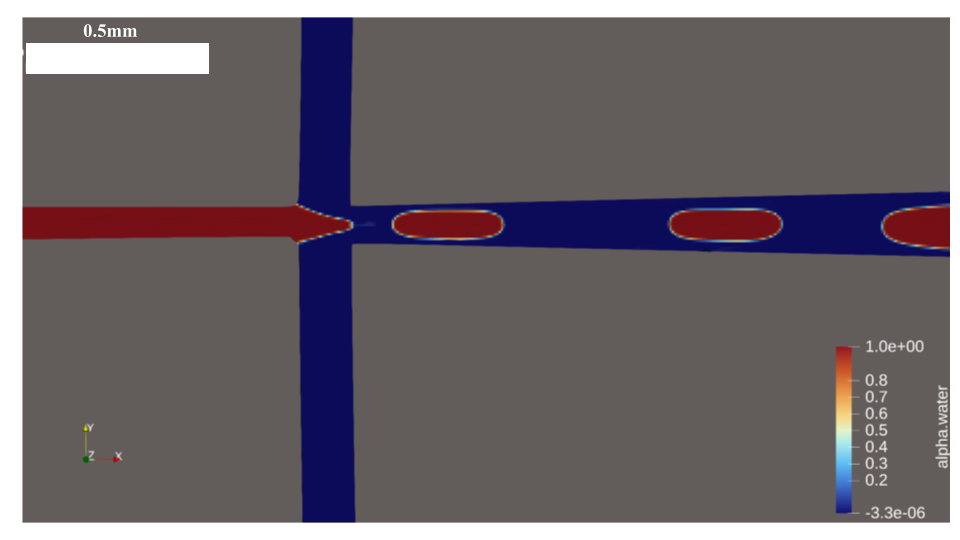
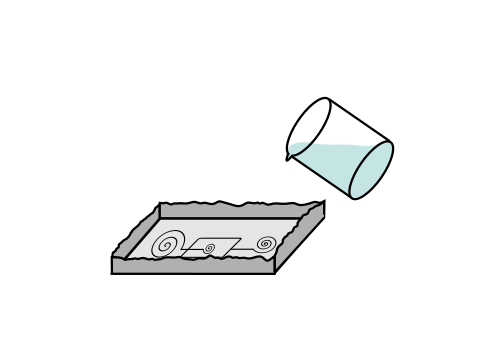
We fabricated molds for microfluidic channels using 3D printing, enabling rapid and cost-effective prototyping. This approach allowed us to modify the mold designs and produce revised molds as needed, reducing the time and cost required for repeated mold fabrication.These approaches establish the foundation for the detailed roadmap outlined below.
Roadmap
✓ Confirm that spontaneous amplification does not occur in the absence of primers.
✓ Confirm that the nuclease does not degrade the templates.
✓ Confirm that the signal increases for each template.
✓ Determine the nuclease degradation rate.
- Confirm oscillatory reactions in the PEN DNA Tool Box.
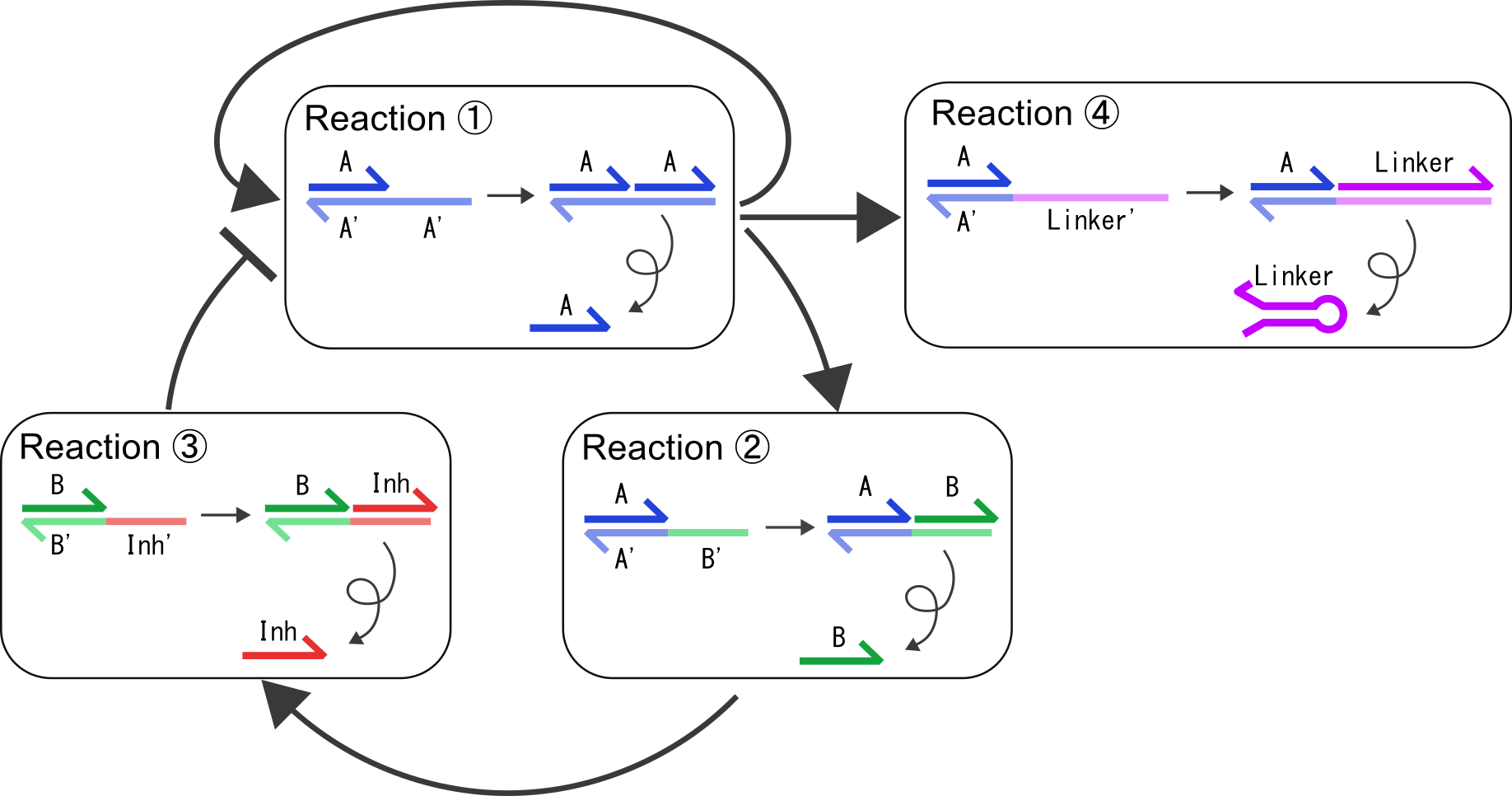
✓ Verify the reaction product of Amino Modifier C6 DNA and NHS-acrylate using electrophoresis.

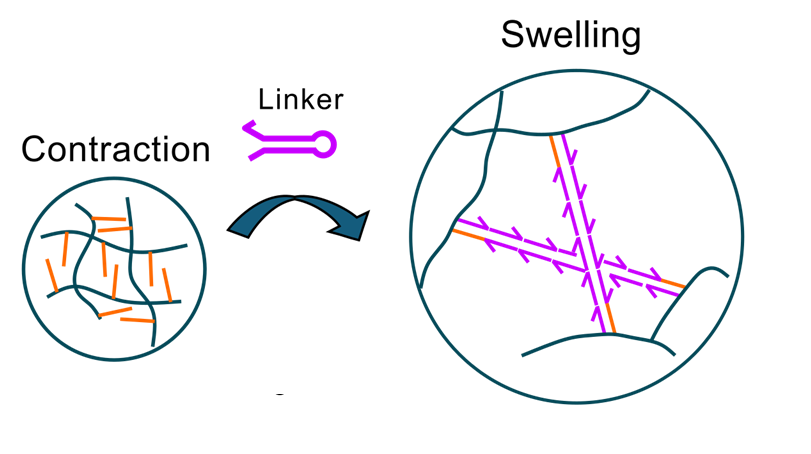
✓ Confirm that the crosslinks extended by Linker DNA are shortened by T7E1.

- Use microscopy to confirm that gel droplets enlarged by Linker DNA contract upon addition of T7E1.
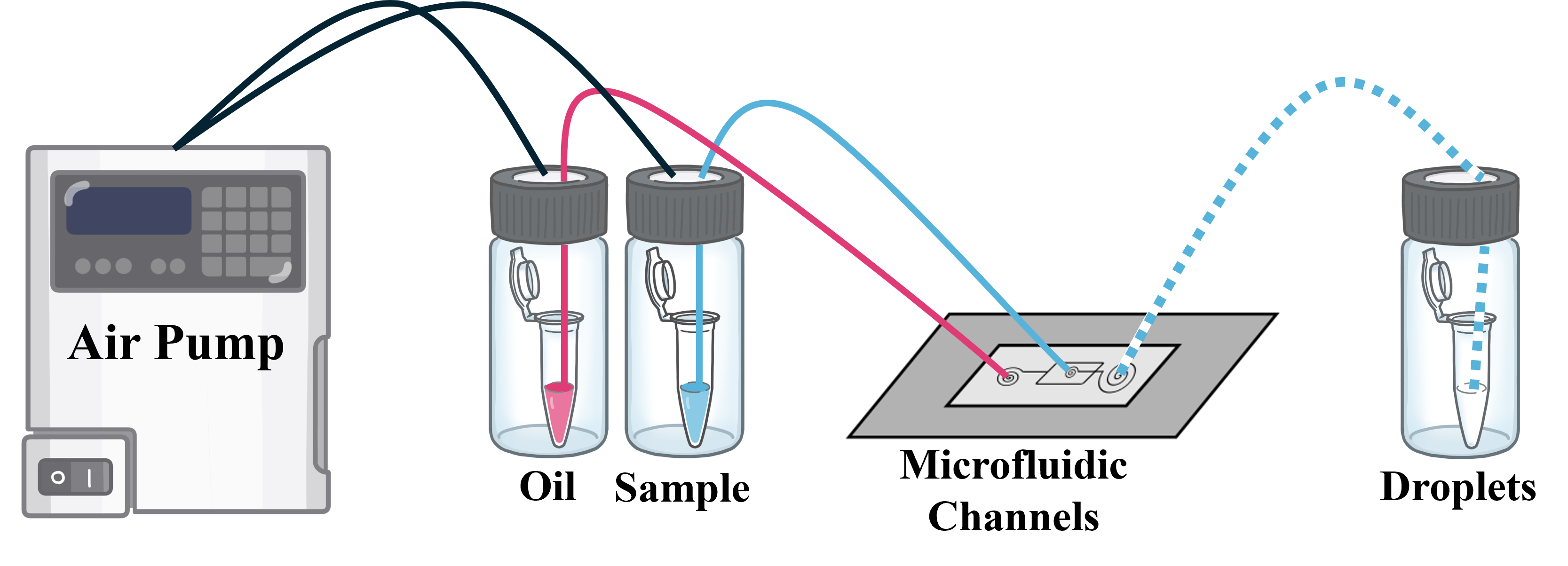
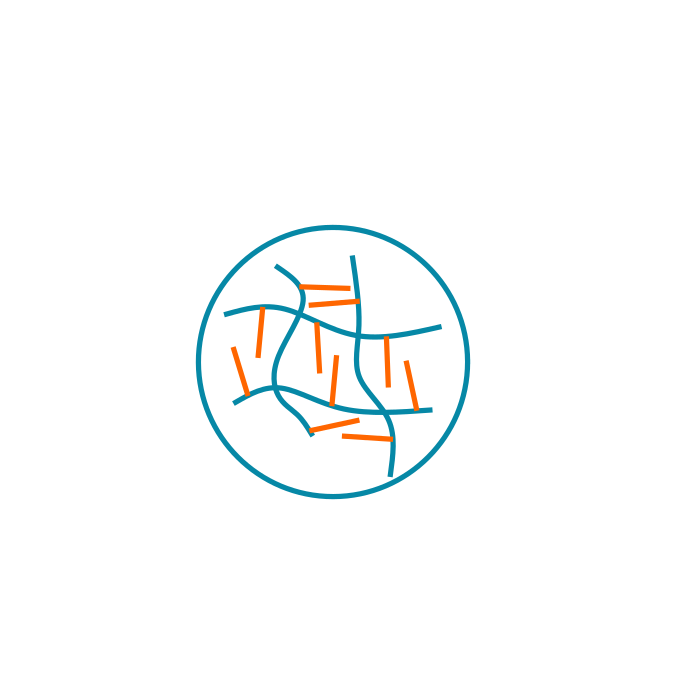
✓ Use microscopy to observe changes in gel diameter in an environment containing both the gel and the enzymatic reaction of the Linker-release mechanism.
However, the next step is to use the PEN DNA Tool Box itself.
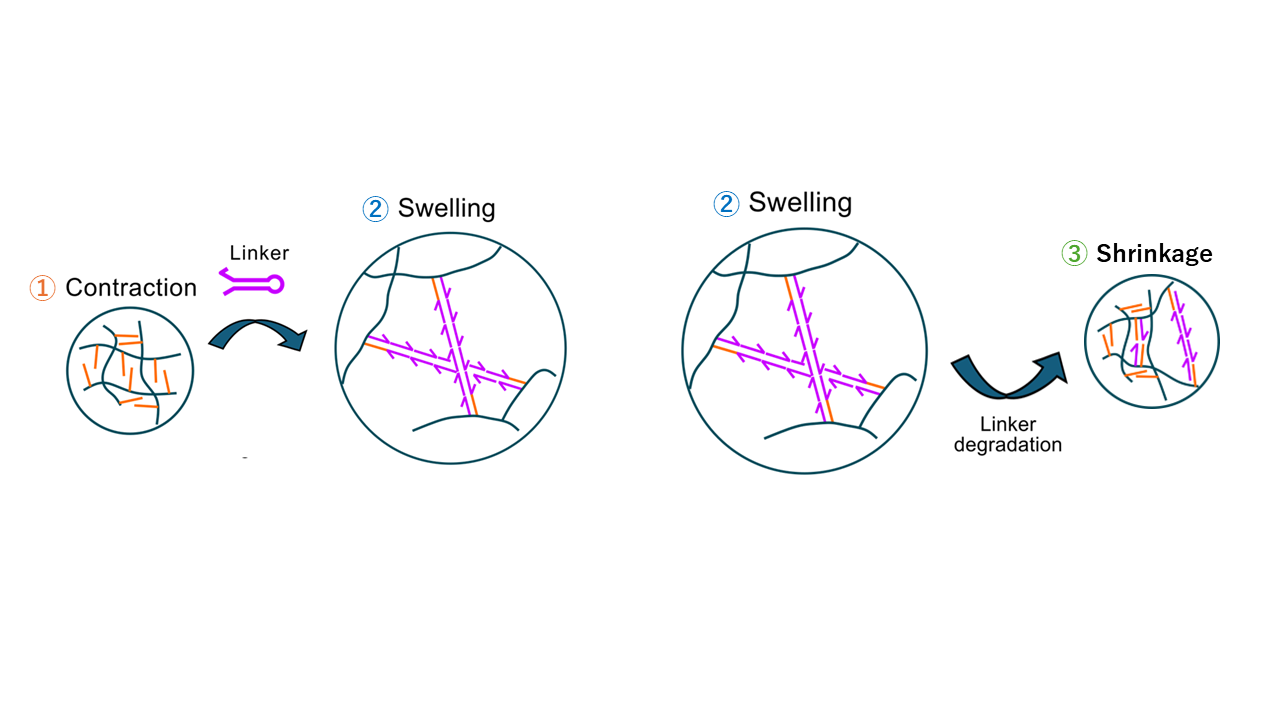
- Use microscopy to observe changes in gel diameter in an environment where the PEN DNA Tool Box and the gel coexist.
References
- [1] Montagne, K.; Plasson, R.; Sakai, Y.; Fujii, T.; Rondelez, Y. Programming an in Vitro DNA Oscillator Using a Molecular Networking Strategy. Mol. Syst. Biol. 2011, 7, 466. https://doi.org/10.1038/msb.2010.120